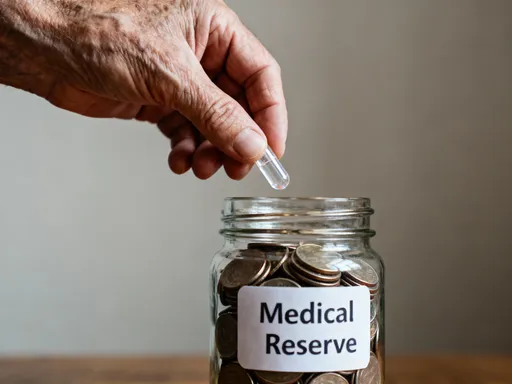
How I Built a Smarter Medical Reserve for Retirement Without Stress
Saving for retirement is tough, but planning for medical costs? That’s where things get real. I used to think I was prepared—until a surprise health scare changed everything. It opened my eyes to how fragile savings can be. Now, I focus on building a resilient medical reserve while cutting unnecessary costs. This isn’t about extreme frugality—it’s about smart, sustainable choices that protect your future. The journey wasn’t dramatic, but it was deliberate. I learned that healthcare in retirement isn’t just an expense—it’s a financial pillar, just like housing or food. And like any pillar, it needs to be built with care, foresight, and consistency. This is how I did it, and how you can too, without stress or sacrifice.
The Hidden Cost of Healthcare in Retirement
Many people approach retirement with a general sense of financial readiness, believing their savings will cover most needs. Yet one of the most significant expenses—healthcare—often remains underestimated or misunderstood. It's not just about annual checkups or the occasional prescription. The true cost of medical care in retirement unfolds over years, accumulating through routine visits, diagnostic tests, chronic condition management, and potentially long-term care. According to widely cited research, a typical retiree may need tens of thousands of dollars to cover out-of-pocket healthcare expenses over a 20- to 30-year retirement. These figures don't include long-term care, which can add hundreds of thousands more. What surprises many is that Medicare, while essential, does not cover everything. It leaves gaps in vision, dental, hearing, and certain prescription drugs, and it offers limited coverage for custodial care. Relying solely on public health programs without a personal financial buffer is a risk that could compromise years of disciplined saving.
Understanding the components of healthcare spending is the first step toward better planning. Doctor visits, specialist consultations, lab work, imaging scans like MRIs and CTs, and hospital stays all contribute to the total. Even preventive care, though valuable, may involve co-pays or deductibles. Prescription medications, especially for ongoing conditions such as hypertension, diabetes, or arthritis, can become a recurring monthly expense. Then there are the unpredictable costs—emergency room visits, sudden surgeries, or unexpected diagnoses. These are not rare occurrences; they are statistically probable over a long retirement. Without a reserve, retirees may be forced to liquidate investments at inopportune times, such as during market downturns, or tap into funds meant for travel, hobbies, or family support. The financial strain can ripple across their entire retirement plan.
Another often overlooked aspect is the rising cost of care over time. Inflation affects healthcare more than many other sectors. Medical prices have historically increased at a rate higher than general inflation, meaning that today’s estimates may not reflect tomorrow’s reality. Planning with a static number is risky. Instead, retirees should build flexibility into their medical budget, anticipating that costs will rise and adjusting their savings strategy accordingly. This doesn’t mean living in fear of future bills, but rather acknowledging the likelihood of increased spending and preparing with calm, informed intention. By recognizing healthcare as a core financial commitment—not an afterthought—individuals can take control before a crisis forces the issue.
Why a Medical Reserve Is Non-Negotiable
A medical reserve is not a luxury or an optional extra; it is a fundamental component of financial security in retirement. Unlike predictable expenses such as groceries or utilities, healthcare costs are inherently uncertain. You can’t schedule a heart condition or predict when a fall might require physical therapy. This unpredictability makes it essential to have a dedicated fund that insulates your broader retirement savings from sudden shocks. Without such a reserve, retirees risk dipping into their principal, potentially undermining decades of disciplined saving. Even a single unexpected procedure can deplete thousands of dollars, forcing difficult choices between care and comfort. Treating healthcare as a separate budget line transforms it from a source of anxiety into a manageable part of financial planning.
One of the greatest benefits of a dedicated medical reserve is psychological peace of mind. Knowing there is a cushion for health-related expenses reduces stress and allows retirees to focus on enjoying their later years. It eliminates the need to scramble for cash during a medical crisis, which can lead to poor financial decisions such as taking on high-interest debt or selling assets under pressure. More importantly, it supports better health outcomes. When money isn’t a barrier, individuals are more likely to seek timely care, follow treatment plans, and avoid delaying necessary procedures. This proactive approach can actually reduce long-term costs by preventing minor issues from becoming major ones. A medical reserve, therefore, is not just a financial tool—it’s a health strategy.
Creating this reserve also fosters a mindset shift. Instead of viewing healthcare as an uncontrollable expense, retirees begin to see it as a planned-for priority. This change in perspective encourages smarter decisions throughout the year, such as choosing preventive screenings, comparing prices for services, and staying up to date on insurance coverage. It also promotes discipline in other areas of spending, as individuals become more aware of how different financial choices impact their ability to prepare for health needs. The goal is not to live in fear of illness, but to live in readiness. That readiness brings freedom—the freedom to age with dignity, to access care without hesitation, and to protect the legacy one has worked so hard to build.
Building Your Reserve: Start Small, Think Long-Term
One of the most empowering truths about financial planning is that you don’t need a large sum to begin. The power lies in consistency, not size. When I started building my medical reserve, I began with just $50 a month—automatically transferred to a separate high-yield savings account labeled “Medical Future.” It wasn’t much, but it created a habit and a mental commitment. Over time, as my budget allowed, I increased the amount. The key was making it automatic and invisible, so it didn’t feel like a sacrifice. Within a few years, that small monthly contribution had grown into a meaningful buffer, earning interest along the way. The lesson is simple: progress matters more than perfection. Anyone can start, regardless of income level, by making saving a routine part of their financial life.
There are many practical ways to fund a medical reserve without disrupting your lifestyle. One effective method is redirecting windfalls—tax refunds, bonuses, or unexpected gifts—into the account. Instead of spending these one-time gains, treat them as opportunities to strengthen your future. Another approach is trimming low-value subscriptions or services. That unused gym membership, the streaming service you rarely watch, or the magazine subscription you never read—small cuts like these can free up $20 to $50 a month, which adds up over time. Some people choose to reallocate a portion of their annual salary increase toward savings, ensuring that as income grows, so does financial preparedness. These strategies don’t require drastic changes; they simply redirect existing resources toward a more secure future.
Another powerful tool is the use of dedicated accounts. A high-yield savings account offers liquidity and modest returns, making it ideal for a medical reserve. Unlike investments that fluctuate in value, this type of account preserves capital while earning more than a traditional savings option. Some individuals also consider a Health Savings Account (HSA) if they are eligible, as it offers triple tax advantages—contributions are tax-deductible, growth is tax-free, and withdrawals for qualified medical expenses are also tax-free. Even if you’re not currently eligible, understanding these tools can help shape long-term planning. The goal is to create a safe, accessible space for your medical savings, separate from everyday spending or long-term investments. By treating this fund with intention, you reinforce its importance and protect it from being used for non-essential purposes.
Cutting Costs Without Sacrificing Care
Being smart about healthcare spending doesn’t mean avoiding care—it means being informed and proactive. One of the most effective ways to reduce costs is price transparency. Many people don’t realize that the cost of lab tests, imaging, or even routine procedures can vary significantly between providers. A simple blood test might cost $150 at one lab and $300 at another. By asking for pricing information in advance, you can make cost-conscious choices without compromising quality. I once saved over $400 on an MRI by calling nearby imaging centers and comparing rates. The test was the same, the equipment was comparable, and the radiologist was qualified—yet the price difference was substantial. This kind of diligence pays off and is entirely within your control.
Another proven strategy is using generic medications whenever possible. For most conditions, generic drugs are just as effective as their brand-name counterparts but cost a fraction of the price. Pharmacies are required to offer generics unless a doctor specifies otherwise, so it’s worth asking your provider if a lower-cost option is available. Additionally, using mail-order pharmacy services can further reduce costs, especially for long-term prescriptions. Many insurance plans offer discounts for ordering a 90-day supply through their mail-order network, which also reduces trips to the pharmacy. These small decisions, repeated over time, can save hundreds or even thousands of dollars annually.
Staying within your insurance network is another critical factor. In-network providers have negotiated rates with your insurer, which keeps your out-of-pocket costs lower. Going out of network can result in higher co-pays, surprise bills, or even full charges if the provider doesn’t accept your plan. Before scheduling any appointment or procedure, it’s wise to confirm that the facility and all involved professionals—such as anesthesiologists or radiologists—are in-network. Telehealth has also emerged as a valuable, cost-effective option. Virtual visits are often less expensive than in-person appointments, and many plans now cover them at the same rate. They’re convenient for follow-ups, medication reviews, or minor concerns, reducing travel time and associated costs. These strategies aren’t about cutting corners—they’re about making informed choices that protect both your health and your wallet.
Risk Control: Protecting Your Reserve from Surprises
Even with a well-funded medical reserve, a major health event can strain your finances. That’s why risk management is a crucial part of the strategy. Insurance is the primary tool for managing this risk, but not all plans are created equal. When I reviewed my coverage, I looked beyond the monthly premium to understand what was truly covered. Medicare provides a strong foundation, but it leaves gaps—especially for hospital co-insurance, skilled nursing care, and foreign travel emergencies. Supplemental insurance, often called Medigap, can fill many of these gaps. These plans are standardized and regulated, offering predictable benefits that help control out-of-pocket exposure. I didn’t choose the cheapest plan; I chose the one that balanced affordability with comprehensive protection.
Long-term care is another area where risk can outweigh savings. The cost of assisted living or home health aides can quickly deplete a medical reserve. While long-term care insurance isn’t right for everyone, it’s worth considering if you have significant assets to protect. Policies vary widely, so it’s important to compare benefits, waiting periods, and inflation protection. Some people also explore hybrid life insurance policies that include long-term care riders, offering flexibility and dual benefits. The goal isn’t to eliminate all risk—that’s impossible—but to reduce the likelihood of a catastrophic financial event. By understanding what your insurance does and doesn’t cover, you can make informed decisions about what additional protection may be necessary.
Negotiating medical bills is another form of risk control. It’s not always necessary to pay the first amount billed. Hospitals and providers often accept lower payments, especially if you’re paying out of pocket or facing financial hardship. Asking for an itemized bill can reveal errors or unnecessary charges. I once discovered a duplicate charge for a lab test, which I successfully disputed. Many facilities also offer payment plans with no interest, which can make large bills more manageable. Being proactive in these situations empowers you to take control of your financial health. Risk control, therefore, is not just about insurance—it’s about advocacy, awareness, and action.
Smart Investments That Support Your Goals
Your medical reserve should be both safe and accessible. Because these funds may be needed at any time, they should not be exposed to market volatility. I chose low-risk, low-volatility instruments that prioritize capital preservation over high returns. Short-term bonds, certificates of deposit (CDs), and money market funds are ideal for this purpose. They offer modest interest while keeping your principal secure. Unlike stocks or speculative investments, these options are not subject to daily swings in value, which means you won’t face the risk of withdrawing funds when the market is down. The goal here is not growth—it’s stability and reliability.
One strategy I used was laddering CDs. By spreading deposits across multiple CDs with different maturity dates, I ensured that a portion of my savings would become available each year without penalty. This provided flexibility in case of unexpected expenses while still earning better interest than a standard savings account. I also kept a portion of the reserve in a high-yield savings account for immediate access. This tiered approach allowed me to balance yield and liquidity. While the returns were not spectacular, they were consistent and risk-free—exactly what a medical fund requires.
It’s important to resist the temptation to chase higher returns with this money. The medical reserve is not an investment portfolio; it’s a safety net. Putting it into stocks, real estate, or high-yield bonds might offer greater growth potential, but it also introduces unacceptable risk. If a health issue arises during a market downturn, you could be forced to sell at a loss, defeating the entire purpose of the fund. The discipline lies in accepting modest returns in exchange for peace of mind. Over time, even small gains compound, enhancing the fund’s value without compromising its safety. This approach reflects a deeper principle: not all money has the same purpose. Some is meant to grow, but some is meant to protect.
Putting It All Together: A Sustainable Plan for Peace of Mind
Retirement planning isn’t about achieving perfection—it’s about building resilience. By combining consistent saving, informed cost management, and thoughtful risk protection, I created a medical reserve that supports my long-term well-being without causing stress. The process wasn’t complicated, but it was intentional. I started small, stayed consistent, and made adjustments as my life changed. I learned to compare prices, choose the right insurance, and invest my reserve wisely. Most importantly, I shifted my mindset—from fearing healthcare costs to preparing for them with confidence. This sense of control has brought a level of peace that no amount of money alone could buy.
Maintaining this plan requires ongoing attention. I review my reserve annually, adjusting contributions as needed and reassessing my insurance coverage. Life changes—a new diagnosis, a move to a different state, or a shift in family responsibilities—can all impact healthcare needs. Staying flexible ensures the plan remains relevant and effective. Tracking progress is also important. I use a simple spreadsheet to monitor contributions, interest earned, and withdrawals, which helps me stay accountable and motivated. Celebrating milestones, like reaching a $10,000 balance, reinforces the value of the effort.
In the end, this journey isn’t about fear—it’s about freedom. Freedom to seek care when needed, to age with dignity, and to protect the financial legacy I’ve built. A medical reserve isn’t just a number in a bank account; it’s a promise to yourself and your loved ones. It says, “I’ve thought ahead. I’m prepared. I can face the future with calm.” For anyone entering or already in retirement, building this kind of security is one of the most powerful steps you can take. It doesn’t require wealth—just wisdom, discipline, and a willingness to plan. And the reward is priceless: peace of mind, today and for the years to come.