What Changed My Recovery: How Diet Rewired My Medication Journey
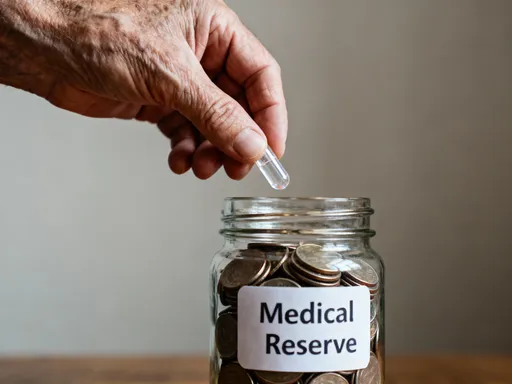
Living through rehabilitation while managing medication taught me something unexpected—what I ate wasn’t just fuel, it was part of my treatment. I didn’t realize how much my diet influenced my body’s response to medicine until small changes brought noticeable shifts. This is a real, science-backed look at how food and medication work together, not to replace professional care, but to support it. For many women in their 30s to 50s navigating recovery from illness or managing chronic conditions, the focus often lands solely on prescriptions. Yet, what happens between doses—the meals, the snacks, the hydration—plays a powerful role in how well those medications perform. This journey isn’t about dramatic overhauls, but about informed, consistent choices that honor the body’s need to heal.
The Hidden Connection Between Food and Medication
At first glance, diet and medication seem like separate paths to healing. One comes in a bottle, the other from the kitchen. But in reality, they meet inside the body, particularly in the digestive tract and liver, where drugs are absorbed and processed. Nutrients from food can either assist or interfere with how medications are broken down, a process governed by enzymes like cytochrome P450. For instance, certain compounds in food can inhibit or stimulate these enzymes, altering how quickly or slowly a drug leaves the system. This means that a well-timed, balanced meal might help stabilize drug levels, while an incompatible food could reduce effectiveness or increase side effects.
One of the most critical aspects of this interaction is meal timing. Many medications come with instructions to take them with food, on an empty stomach, or away from certain foods. These guidelines are not arbitrary. Taking a drug with food can slow absorption, reducing stomach irritation—common with nonsteroidal anti-inflammatory drugs (NSAIDs). Conversely, some medications, like certain antibiotics or thyroid hormones, require an empty stomach to ensure full absorption. Eating too soon before or after can limit how much of the drug enters the bloodstream, potentially leading to suboptimal results. This delicate balance underscores the importance of consistency in both medication routines and meal schedules.
The real-world impact of these interactions is often underestimated. For example, a woman managing hypertension might take her medication with a high-fat breakfast, unaware that fat can delay the absorption of some blood pressure drugs, leading to fluctuations in blood pressure control. Similarly, calcium-rich foods like dairy can bind with certain antibiotics, forming insoluble complexes that the body cannot absorb, rendering the medication less effective. Recognizing these patterns allows individuals to become more active participants in their treatment, not by changing prescriptions, but by optimizing the environment in which those prescriptions work.
My Turning Point: When Medication Stopped Working
For months, I followed my doctor’s instructions to the letter. I took my medication at the same time every day, avoided alcohol, and tracked my symptoms. Yet, progress stalled. I experienced persistent fatigue, occasional dizziness, and a general sense of being stuck in recovery. My dosage hadn’t changed, and no new health issues had arisen. Frustrated, I returned to my physician, expecting a prescription adjustment. Instead, she asked a question I hadn’t anticipated: “Let’s review what you’re eating.” That moment marked a turning point.
As we went through my daily routine, she pointed out patterns I had overlooked. I often took my morning medication with a grapefruit juice and toast—something I thought was healthy. What I didn’t know was that grapefruit contains furanocoumarins, compounds that irreversibly inhibit an enzyme in the gut called CYP3A4. This enzyme is responsible for breaking down many medications, including some cholesterol-lowering drugs and certain antidepressants. When inhibited, drug levels can rise unexpectedly, increasing the risk of side effects. Though my medication wasn’t on the most sensitive list, the cumulative effect of daily grapefruit juice was likely contributing to my fatigue and imbalance.
Another issue was my inconsistent eating schedule. Some days I skipped breakfast, taking my medication on an empty stomach when it was meant to be taken with food. Other days, I ate a heavy, high-fat dinner late at night, shortly after an evening dose. These habits created unpredictable absorption patterns, making it harder for my body to maintain stable drug levels. My doctor didn’t suggest stopping the medication—she suggested aligning my meals with it. That small shift, rooted in awareness, began to make a measurable difference within weeks.
The Diet Shift That Made a Difference
Changing my diet didn’t mean adopting a strict regimen or eliminating entire food groups. It meant moving from processed, convenience-based meals to whole, nutrient-dense foods that supported my body’s healing processes. I began focusing on meals built around vegetables, lean proteins, whole grains, and healthy fats. Instead of frozen dinners or fast food, I prepared simple dishes like grilled salmon with quinoa and steamed broccoli, oatmeal with berries and nuts, or lentil soup with a side of leafy greens. These foods provided sustained energy and essential nutrients without overwhelming my digestive system.
One of the most impactful changes was increasing my fiber intake. Soluble fiber, found in oats, beans, apples, and flaxseeds, helps regulate digestion and supports a healthy gut microbiome. The gut plays a crucial role in immune function and nutrient absorption, and emerging research shows it also influences how medications are metabolized. A balanced gut environment can improve the efficiency of drug processing, while dysbiosis—an imbalance in gut bacteria—may contribute to inflammation and reduced treatment effectiveness. By feeding my gut with prebiotic-rich foods, I noticed fewer digestive discomforts and a greater sense of physical stability.
Hydration also became a priority. I started drinking more water throughout the day, limiting sugary beverages and excessive caffeine. Proper hydration supports kidney function, which is essential for filtering medications and their byproducts from the bloodstream. Dehydration can slow this process, leading to a buildup of substances that might increase side effects. Additionally, I paid attention to macronutrient balance—ensuring each meal included a source of protein, complex carbohydrates, and healthy fats. This balance helped stabilize blood sugar levels, reducing energy crashes and supporting overall metabolic health, which in turn created a more predictable environment for medication activity.
Building a Medication-Friendly Meal Framework
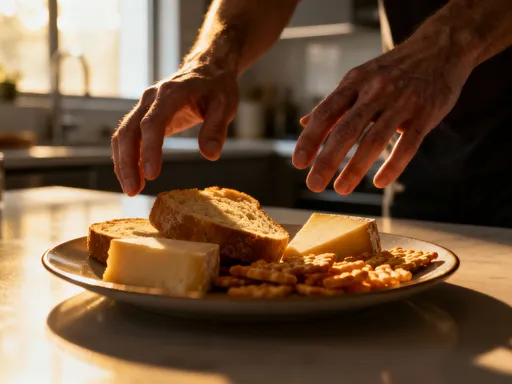
Creating a sustainable eating plan while on medication isn’t about perfection—it’s about consistency and awareness. I developed a simple framework: align meals with medication timing, prioritize whole foods, and avoid known dietary conflicts. For example, if a medication needed to be taken on an empty stomach, I scheduled it an hour before breakfast and waited to eat. If it required food, I made sure to include a moderate amount of healthy fat and protein to aid absorption without delaying it excessively.
Foods rich in antioxidants—such as berries, spinach, nuts, and green tea—became staples in my diet. These compounds help combat oxidative stress, a common factor in chronic illness and recovery. By reducing cellular damage, antioxidants may support the body’s ability to respond to treatment. I also incorporated probiotic-rich foods like plain yogurt, kefir, and fermented vegetables. These support gut health, which, as previously noted, plays a key role in drug metabolism and immune regulation. A healthy gut lining ensures better nutrient absorption and may reduce systemic inflammation, creating a more favorable environment for healing.
At the same time, I learned to approach certain foods with caution. Grapefruit, as I discovered, is a well-documented inhibitor of drug metabolism and should be avoided with many medications. High-fat meals can delay gastric emptying, affecting how quickly drugs enter the bloodstream—this is especially important for medications with narrow therapeutic windows. Alcohol, even in moderation, can interact with many drugs, increasing sedation or liver strain. While I didn’t eliminate these entirely, I became intentional about when and how much I consumed, always consulting my doctor or pharmacist when unsure.
Working With, Not Against, Your Treatment Plan
Diet is not a substitute for medication—this is a crucial distinction. Medications are prescribed based on clinical evidence and individual health needs. However, nutrition is a powerful adjunct that can enhance treatment outcomes. Think of medication as the blueprint for healing, and diet as the foundation that supports it. When aligned, they work in synergy. When misaligned, even the most carefully designed treatment plan can underperform.
Collaboration with healthcare providers is essential when making dietary changes during recovery. I learned to bring a food diary to appointments, noting what I ate and when, alongside my medication schedule. This allowed my doctor to identify potential interactions and offer tailored advice. Pharmacists are also valuable resources—they can explain how specific foods might affect a drug’s performance and suggest timing adjustments. Open communication ensures that dietary changes are safe and supportive, not disruptive.
Personalization is key. What works for one person may not work for another. Factors like age, metabolism, liver and kidney function, and the specific condition being treated all influence how food and medication interact. There is no universal “best diet” for medication support—only informed choices based on individual needs. This is why medical supervision remains essential. Any significant dietary shift, especially when managing chronic illness or recovery, should be discussed with a healthcare professional to ensure it complements, rather than complicates, the treatment plan.
Common Dietary Mistakes During Medication-Based Recovery
Even with the best intentions, common dietary habits can unintentionally undermine recovery. One of the most frequent mistakes is skipping meals or eating at irregular times. When medication schedules are rigid but eating patterns are not, absorption can become unpredictable. For example, taking a drug that requires food with an empty stomach may lead to nausea or reduced effectiveness. Conversely, delaying a meal after a dose meant to be taken on an empty stomach can delay the drug’s action.
Another pitfall is over-relying on dietary supplements without medical guidance. Many women turn to vitamins, herbal products, or protein powders to support recovery, assuming they are harmless because they are “natural.” However, supplements can interact with medications just like foods can. St. John’s wort, for instance, is known to reduce the effectiveness of many drugs by increasing their metabolism. Even high-dose vitamin supplements, such as vitamin K, can interfere with blood thinners like warfarin. Unless recommended by a doctor, introducing supplements without consultation can pose risks.
A third misconception is equating “natural” with “safe” in all contexts. While whole foods are generally beneficial, some natural ingredients can have potent biological effects. Turmeric, for example, has anti-inflammatory properties but can also thin the blood, which may be problematic for those on anticoagulants. Similarly, green tea extract, often marketed for energy and metabolism, contains compounds that affect liver enzymes and may alter drug levels. Understanding that natural does not always mean neutral is essential for safe, effective recovery.
Sustainable Habits for Long-Term Wellness
Long-term healing isn’t about short-term fixes—it’s about building routines that fit into real life. I focused on creating simple, repeatable meal patterns that didn’t require gourmet skills or hours of preparation. Batch-cooking grains, roasting vegetables in advance, and keeping healthy snacks like nuts and fruit on hand made it easier to eat well even on busy days. The goal wasn’t perfection, but consistency—small, daily choices that added up over time.
Mindful eating became part of my rehabilitation practice. Instead of eating while distracted, I began to pay attention to hunger cues, chewing slowly, and appreciating the taste and texture of food. This not only improved digestion but also helped me tune into how different foods made me feel—whether they gave me energy, caused bloating, or affected my mood. This awareness extended to how I responded to medication, allowing me to notice subtle changes and report them to my doctor.
Ultimately, I came to view diet not as a temporary intervention, but as an ongoing part of health management. Just as I take my medication daily, I now treat nourishing my body with the same level of intention. Food is not just sustenance—it’s information, signaling to the body how to heal, regulate, and thrive. By aligning my diet with my medication needs, I’ve taken a more active, informed role in my recovery. This isn’t about replacing medical expertise, but about honoring the body’s complexity and supporting it with every choice I make.
Recovery isn’t just about pills—it’s about the daily choices that shape how your body heals. A thoughtful diet doesn’t replace professional treatment, but it can make it work better. By aligning what you eat with your medication needs, you take an active, informed role in your rehabilitation. The foods on your plate influence how drugs are absorbed, metabolized, and utilized. Small, consistent changes—like avoiding grapefruit with certain medications, staying hydrated, or eating balanced meals—can lead to meaningful improvements in how you feel and how well your treatment works. Always consult your doctor, but never underestimate the power of real food. Your journey to wellness is not just measured in prescriptions, but in the quiet, daily acts of care that support your body’s ability to heal.