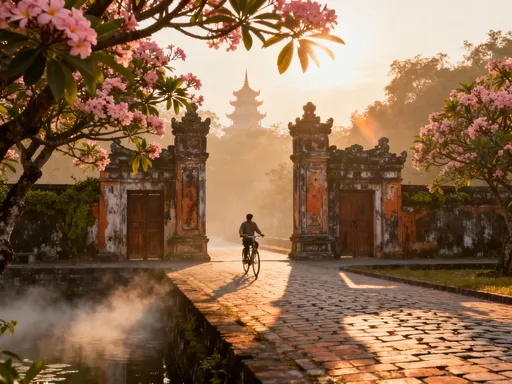
Lost in the Green Heart of France: Angers Unfiltered
You know that feeling when you stumble upon a place so quietly magical, you almost don’t want to tell anyone? Angers, France, hit me like that. Nestled along the Maine River, this isn’t just a city—it’s a gateway to lush valleys, secret gardens, and vineyard-draped hillsides. I went looking for history, but honestly? The natural beauty stole the show. From sunrise walks to hidden forest trails, Angers delivers peace, greenery, and that *je ne sais quoi* charm—without the crowds. It’s a destination that doesn’t shout for attention, yet lingers in your memory like the soft rustle of leaves in a summer breeze. This is a place where nature isn’t an afterthought—it’s the main character.
Arrival in Angers: First Impressions Beyond the Castle
As the train slows into Gare d’Angers Saint-Laud, the first thing that strikes you is not the architecture, but the green. Lush tree-lined avenues stretch beyond the station, and the air carries a crisp freshness, subtly scented with damp earth and blooming wisteria. Unlike many historic French cities that rise abruptly from the landscape, Angers unfolds gently, cradled by rivers and hills. The Maine River glides through the city like a ribbon of silver, flanked by pedestrian paths shaded with plane trees and dotted with benches facing the water. Even before reaching the famed Château d’Angers, visitors are greeted by a sense of calm that feels rare in modern travel.
The city’s urban fabric is interwoven with nature in a way that feels effortless. Cyclists glide along dedicated bike lanes that double as green corridors, connecting neighborhoods through parks and riverside trails. The sound of flowing water is a constant companion, mingling with birdsong and the distant chime of bicycle bells. This harmony between city life and natural serenity sets the tone for the Angers experience. While the imposing medieval fortress dominates postcards, it is the surrounding greenery—the rustling leaves, the open skies, the quiet corners along the riverbank—that truly defines the city’s soul.
Walking into the city center, one notices how buildings blend into the landscape rather than overpower it. Public squares are shaded by centuries-old trees, and even the busiest streets give way to green pockets where residents sip coffee under canopies of green. This integration isn’t accidental; it’s the result of thoughtful urban planning that prioritizes accessibility to nature. For visitors, the message is clear: Angers invites you not just to see, but to breathe, to slow down, and to let the landscape speak.
The Loire River Valley: A Natural Playground at Your Doorstep
Angers sits at the western edge of the Loire Valley, a region recognized by UNESCO for its outstanding cultural and natural landscape. Often associated with grand châteaux and world-renowned wines, the Loire is equally defined by its rich biodiversity and gently rolling terrain. What makes Angers special is its seamless connection to this broader ecosystem—just a short ride from the city center, travelers find themselves immersed in vineyards, orchards, and floodplain forests that have shaped life in the region for centuries.
The Loire River itself is the lifeblood of the valley, supporting a mosaic of habitats that attract bird species, fish, and a wide variety of plant life. Its banks are home to herons, kingfishers, and sometimes even the elusive European otter. The region’s mild oceanic climate, moderated by Atlantic influences, creates ideal growing conditions. Vineyards flourish on sun-drenched slopes, producing crisp white wines like Savennières and rosés from Cabernet Franc grapes. But beyond viticulture, the land yields apples, pears, and asparagus, all celebrated in local markets and seasonal festivals.
For outdoor enthusiasts, the Loire à Vélo route offers one of the most scenic and well-maintained cycling paths in Europe. Stretching over 900 kilometers from Cuffy to Saint-Brevin-les-Pins, the route passes directly through Angers, making it an ideal stopover. Cyclists can pedal along flat, tree-lined paths with panoramic views of the river, stopping at riverside villages or picnicking in meadows near Saint-Aubin-sur-Loire. The trail is accessible year-round, with spring and autumn offering particularly pleasant temperatures and vibrant foliage. Whether you cycle for a few hours or several days, the journey through the Loire Valley is less about speed and more about immersion in the rhythm of the land.
Families, couples, and solo travelers alike find joy in the valley’s quiet pleasures—kayaking on calm stretches of the river, foraging for wild herbs in open fields, or simply sitting on a grassy bank with a book and a baguette. There’s a timeless quality to the landscape, where modern life slows to match the pace of nature. In Angers, access to this natural playground is not a luxury—it’s a way of life.
Terra Botanica: Where Nature Meets Imagination
Just a few kilometers from downtown Angers lies Terra Botanica, Europe’s only theme park entirely dedicated to plants and botany. More than just a garden, it’s a living celebration of the natural world, where science, art, and adventure converge. Opened in 2010, the park spans over 20 hectares and features more than 5,000 plant species from temperate and tropical climates. It’s designed not only to educate but to inspire wonder—especially in younger visitors and those who may not consider themselves “nature people.”
One of the park’s most memorable experiences is the “Icaria” treetop walkway, a suspended bridge that weaves through the canopy of tall oaks and chestnuts. Walking 15 meters above ground, visitors gain a bird’s-eye view of the surrounding forest, feeling the gentle sway of the bridge and the cool breeze filtering through the leaves. Below, themed gardens unfold like chapters in a botanical storybook: the aquatic garden with floating lilies and water irises, the aromatic garden filled with lavender, rosemary, and thyme, and the tropical greenhouse where banana trees and orchids thrive in humid warmth.
Interactive exhibits make learning engaging. Children press buttons to hear the sounds of photosynthesis or watch time-lapse videos of seeds sprouting. The “Roots” pavilion uses immersive projections to show how plants communicate underground through fungal networks, turning complex biology into a captivating visual experience. Seasonal events elevate the magic—during summer evenings, the park hosts “Nuits Magiques,” where pathways are illuminated by soft, colorful lights, and bamboo groves glow like enchanted forests. Music drifts through the air, and families linger late, enchanted by the dreamlike atmosphere.
Terra Botanica strikes a rare balance: it’s playful without being childish, educational without feeling like a classroom. It reminds visitors that nature is not just something to preserve, but something to celebrate. For parents traveling with children, it offers a joyful way to foster curiosity about the environment. For solo travelers, it’s a peaceful retreat where one can wander at leisure, discovering new textures, scents, and shades of green at every turn.
The Hidden Trails of Parc du Château d’Angers
The Château d’Angers is one of the city’s most iconic landmarks, famous for its 17 imposing towers and the Apocalypse Tapestry housed within. Yet, beyond the fortress walls lies a lesser-known treasure: the surrounding parkland that offers some of the most serene walking experiences in the city. Many visitors never venture past the ticket counter, missing the quiet beauty of the green spaces that frame the castle like a living painting.
The Parc du Château d’Angers stretches along the banks of the Maine River, blending formal gardens with wilder, wooded areas. Footpaths wind beneath ancient trees, past flowerbeds bursting with seasonal color, and along the water’s edge where ducks glide silently over the surface. One particularly peaceful trail follows the old city ramparts, offering panoramic views of the river valley and the distant hills. In the early morning, mist rises from the water, and the only sounds are the chirping of sparrows and the distant clang of a church bell.
This park is a haven for birdwatchers and nature lovers. Kingfishers dart along the river, while blackcaps and robins flit through the underbrush. In spring, cherry blossoms bloom in soft pinks and whites, and wild garlic carpets the forest floor with fragrance. Benches are thoughtfully placed in secluded spots—perfect for reading, sketching, or simply sitting in quiet reflection. Unlike more manicured French gardens, this space allows for a sense of discovery. You might round a bend and find an old stone fountain half-hidden by ivy, or a patch of violets growing in the shade.
What makes these trails so special is their duality: they are close enough to the city to be accessible, yet remote enough to feel like an escape. Joggers pass by, headphones in, while elderly couples stroll hand in hand. Children chase butterflies, and photographers crouch to capture dew on spiderwebs. The park belongs to everyone, yet feels personal. It’s a reminder that history and nature are not separate realms—they coexist, each enriching the other.
Escaping to the Forest: Bois du Roy and Beyond
Just ten minutes from Angers’ city center lies Bois du Roy, a forested haven that feels worlds away from urban life. This 120-hectare woodland is a favorite among locals who seek solitude, fresh air, and the simple pleasure of walking beneath a green canopy. Unlike the more famous forests of the Loire Valley, such as Chambord or Blois, Bois du Roy remains refreshingly uncrowded, preserving its sense of tranquility and authenticity.
Well-marked trails loop through the forest, catering to hikers, runners, and horseback riders. The scent of pine and damp earth fills the air, especially after a rain. Sunlight filters through the trees in dappled patterns, illuminating patches of moss, ferns, and wild mushrooms. In autumn, the forest transforms into a tapestry of gold, russet, and amber, with leaves crunching underfoot. Birdsong echoes in the distance—woodpeckers drumming, tits calling, and the occasional hoot of a tawny owl at dusk.
The forest is also home to small streams and quiet clearings, some with picnic tables or wooden shelters. Families often gather here on weekends, spreading blankets and sharing meals under the trees. Dog walkers follow designated paths, and children explore with magnifying glasses, searching for insects and acorns. For those seeking more activity, guided nature walks are occasionally offered, focusing on local flora and fauna or the history of forest management in the region.
Bois du Roy is more than a recreational space—it’s a sanctuary. In a world that often feels rushed and noisy, it offers a rare opportunity to reconnect with the natural rhythms of life. The simplicity of walking through the woods, listening to the wind, and feeling the earth beneath your feet can be profoundly restorative. And the best part? You don’t need to travel far or plan an elaborate trip. It’s right there, waiting, just beyond the city’s edge.
Riverside Serenity: Following the Maine River’s Flow
The Maine River is the quiet heartbeat of Angers, flowing gracefully through the city and shaping its character. Though shorter than the Loire, it plays an outsized role in daily life, serving as a corridor for recreation, reflection, and connection. Strolling or cycling along its banks is one of the simplest yet most rewarding experiences in the city, offering ever-changing views of water, sky, and greenery.
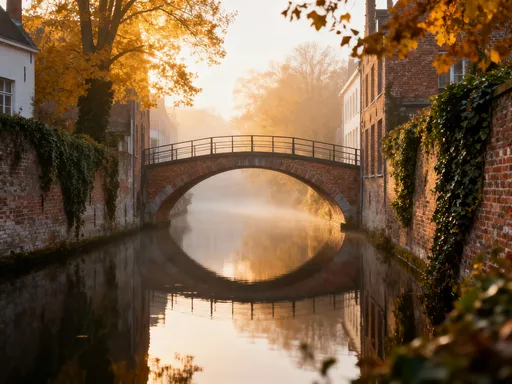
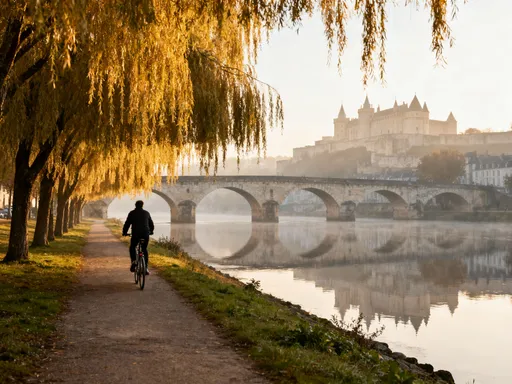
The riverfront is beautifully maintained, with wide, paved paths that run from the historic center to the outskirts. Old stone bridges, some dating back centuries, arch gracefully over the water, their reflections shimmering in the current. Along the way, you’ll pass floating vegetation—water lilies, reeds, and duckweed—gently drifting with the flow. Riverside cafés spill onto terraces, where locals sip coffee or enjoy a glass of local wine in the late afternoon sun. Some areas have small docks where kayaks and paddleboards are rented, offering a closer, more intimate way to experience the river.
At dawn, the river is at its most peaceful. Joggers move in rhythm with the water’s pace, and fishermen cast their lines from quiet banks. By midday, families take to the paths, pushing strollers or riding bikes with training wheels. In the evening, couples walk hand in hand, pausing to watch the sky turn pink and gold. The river becomes a mirror, reflecting not just the clouds, but the lives of those who gather along its shores.
What makes the Maine River so special is its accessibility. Unlike grander waterways that feel distant or untouchable, this river invites interaction. You can dip your fingers in the water, sit on the bank with a book, or simply stand and watch the current carry leaves downstream. It’s a reminder that beauty doesn’t have to be dramatic to be meaningful. Sometimes, serenity is found in the gentle flow of water through a quiet city.
Why Angers Deserves a Spot on Your Nature-Lover’s Map
Angers doesn’t dazzle with grand monuments or crowded attractions. Instead, it offers something rarer: a deep, quiet harmony between city and nature. From the treetop walkways of Terra Botanica to the hidden trails of the Château park, from the forest hush of Bois du Roy to the gentle flow of the Maine River, Angers reveals itself as a sanctuary for those who seek calm, beauty, and authenticity. It’s a destination that rewards slowness, inviting travelers to wander, observe, and breathe.
What sets Angers apart is not just the abundance of green spaces, but how seamlessly they are woven into daily life. You don’t need to leave the city to find nature—you encounter it at every turn. This integration makes Angers an ideal destination for travelers who value well-being, accessibility, and sustainable tourism. It’s perfect for families looking for safe, engaging outdoor activities, for couples seeking romantic strolls, and for solo travelers in search of reflection and renewal.
Compared to more famous Loire Valley towns like Amboise or Chenonceau, Angers remains refreshingly under the radar. There are no long lines, no overcrowded sidewalks, no souvenir shops on every corner. Instead, there is space—space to think, to rest, to reconnect. The city’s charm lies in its subtlety, in the way sunlight filters through leaves, in the sound of a bicycle bell echoing down a quiet street, in the warmth of a local smile at a riverside café.
In a world that often prioritizes speed and spectacle, Angers offers a different kind of travel experience—one rooted in presence, peace, and natural beauty. It reminds us that the most memorable journeys are not always the loudest, but the ones that stay with us in quiet moments. So if you’re searching for a destination that nurtures the soul, that balances history with nature, and that welcomes you with open arms and open skies, let Angers be your next stop. Sometimes, the greenest heart is the one that beats the quietest.