This Is Why Kandy’s Natural Beauty Blew My Mind – You Gotta See It to Believe It
Nestled in the misty highlands of Sri Lanka, Kandy is so much more than a cultural gem—it’s a nature lover’s dream. From lush tea plantations to tranquil lakes and hidden forest trails, the city blends serenity with stunning landscapes. I went expecting history, but what I found was pure, untouched natural magic. If you're craving beauty that feels almost unreal, Kandy delivers in ways you won’t see coming. The air is cooler here, scented with eucalyptus and damp earth, and the hills roll endlessly like waves frozen in emerald green. It’s a place where spirituality breathes through ancient trees and where every turn reveals a new vista of quiet wonder. This is not just a destination—it’s an awakening of the senses.
Arrival in Kandy: First Impressions Beyond the Temple
Travelers arriving in Kandy from Colombo are in for an immediate shift in atmosphere. The journey itself, roughly two to three hours by car or train, begins in the tropical lowlands but gradually ascends into the cool, mist-wrapped highlands. As the road winds upward, the air grows fresher, the humidity softens, and the landscape transforms. What was once flat, sun-drenched terrain gives way to terraced hillsides, dense foliage, and pockets of cloud drifting through the valleys. This change in elevation—Kandy sits at about 500 meters above sea level—plays a crucial role in shaping the region’s unique environment. The cooler temperatures and higher rainfall support a rich tapestry of plant life, making the city feel like an oasis nestled within a living forest.
Many visitors come to Kandy with one thing in mind: the Temple of the Sacred Tooth Relic, a UNESCO World Heritage Site and a cornerstone of Sri Lankan Buddhism. While the temple is undeniably significant, the natural setting that surrounds it often steals the show. As you step out of your vehicle, whether at a hotel, a market, or near the city center, the first thing you notice is not the architecture—but the green. Trees arch over streets, ferns spill from stone walls, and the distant hills shimmer with layers of mist. The city does not dominate the landscape; it exists within it, harmoniously integrated into the curves of the land. This balance between urban life and nature is rare and deeply refreshing.
The climate in Kandy contributes significantly to its lushness. With average temperatures ranging from 18°C to 27°C (64°F to 81°F) year-round, the conditions are ideal for vegetation to thrive. Unlike the coastal cities of Sri Lanka, which can feel hot and crowded, Kandy offers a gentler, more soothing pace of life, enhanced by its natural surroundings. The frequent afternoon showers feed the soil, ensuring that the grass stays vibrant and the trees remain full-crowned. For travelers seeking relief from heat and noise, Kandy’s environment provides a natural sanctuary—one that begins the moment you arrive.
The Heart of the City: Kandy Lake and Its Surrounding Greenery
At the center of Kandy lies one of its most iconic natural features—Kandy Lake, also known locally as Kiri Muhuda or the Sea of Milk. Constructed in 1807 during the reign of King Sri Wickrama Rajasinghe, this man-made lake spans approximately 65 hectares and is surrounded by a tree-lined boulevard that has become a favorite spot for both locals and visitors. The lake is not just a scenic backdrop; it is a living part of the city’s rhythm. Early each morning, residents walk, jog, or meditate along its perimeter, moving in quiet sync with the rising sun. By evening, the water reflects the golden hues of the sky, creating a mirror-like surface that seems to hold the day’s last breath of peace.
What makes Kandy Lake so special is not just its beauty but how seamlessly it integrates nature into daily urban life. Unlike artificial parks that feel separate from the city, the lake is woven into the fabric of Kandy. Families gather on its grassy banks for picnics, children chase butterflies along the pathways, and photographers capture the interplay of light and water. The surrounding greenery includes towering rain trees, fragrant frangipani, and clusters of bamboo that sway gently in the breeze. These plants not only enhance the visual appeal but also provide shade, reduce urban heat, and support small wildlife. It’s common to spot monitor lizards basking near the water’s edge or hear the rustle of birds hidden in the canopy.
Birdwatching around Kandy Lake offers a delightful experience for nature enthusiasts. The area attracts a variety of species, including the purple swamphen, the Sri Lankan junglefowl (the country’s national bird), and the Indian peafowl, whose iridescent feathers occasionally flash through the trees. Kingfishers dive for fish in the early hours, while crows and mynas add their calls to the morning chorus. For those carrying binoculars or a zoom lens, even a short walk can yield surprising sightings. The lake’s ecosystem, though urban, remains surprisingly resilient and biodiverse, a testament to the city’s ability to coexist with nature rather than overpower it.
Royal Botanical Gardens at Peradeniya: A Jungle Lover’s Paradise
Just a 15-minute drive from Kandy lies one of Asia’s most celebrated botanical gardens—the Royal Botanical Gardens at Peradeniya. Spread across nearly 150 acres, this sprawling garden is a living museum of tropical flora, meticulously maintained and thoughtfully organized. Established in the 14th century as a royal pleasure garden and later developed under British colonial administration, Peradeniya today serves as a sanctuary for over 4,000 plant species. From towering palms to delicate orchids, the diversity on display is nothing short of extraordinary. For any traveler who loves nature, a visit here is not just recommended—it’s essential.
The gardens are laid out in a series of thematic sections, each offering a different sensory experience. One of the most photographed areas is the avenue of royal palms, where tall, straight trunks rise like columns supporting a green cathedral above. Walking beneath them feels like entering a sacred space, where light filters through in dappled patterns and the air hums with insect life. Another highlight is the giant Javan fig tree, whose sprawling canopy covers over half an acre. Its aerial roots descend from branches, taking root in the soil and forming new trunks—a natural phenomenon that looks like something from a fairy tale. Visitors often stand in awe beneath it, trying to capture its full scale in a single photograph.
For those interested in scent and spice, the garden’s spice section is a must-see. Here, you can see cinnamon, cardamom, nutmeg, and vanilla growing in their natural forms, with guides available to explain their uses in traditional Sri Lankan cooking and medicine. The orchid house, open daily, showcases hundreds of vibrant blooms, including rare endemic species. These flowers, with their intricate shapes and bold colors, are a favorite among photographers and artists. The garden also features a medicinal plant section, where ancient healing herbs are cultivated and labeled for educational purposes.
To make the most of your visit, arriving early in the morning is ideal. The temperature is cooler, the light is soft, and the gardens are less crowded. Guided tours are available and highly recommended for those who want to understand the botanical significance of what they’re seeing. Knowledgeable staff can point out unique species, explain cultivation techniques, and share stories about the garden’s history. Whether you’re a serious botanist or simply someone who enjoys a beautiful walk, Peradeniya offers an immersive experience that lingers long after you leave.
Into the Highlands: Exploring Tea Country and Hillside Trails
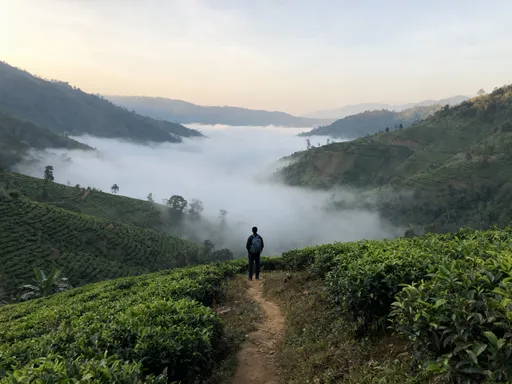
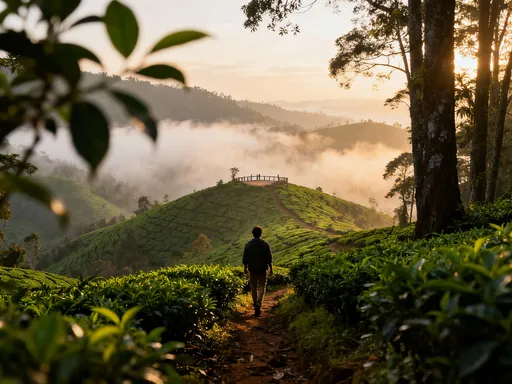
One of the most breathtaking aspects of Kandy’s natural appeal is its proximity to Sri Lanka’s famed tea country. Just an hour’s drive away, towns like Hatton and Ginigathena serve as gateways to rolling hills covered in manicured tea plantations. These estates, some of which have been in operation for over 150 years, stretch across the landscape like giant green tapestries. The sight of workers—mostly women—bent over the bushes, plucking leaves with practiced precision, is both humbling and mesmerizing. This is not just agriculture; it’s a way of life, deeply tied to the land and its rhythms.
Visitors can tour working tea factories to see how freshly harvested leaves are processed into the black, green, and white teas Sri Lanka is known for. The scent inside these facilities—earthy, sweet, and slightly smoky—is unforgettable. Many estates welcome guests for guided walks through the fields, offering insights into sustainable farming practices and the challenges of high-altitude cultivation. The elevation, often between 1,000 and 1,800 meters, contributes to the unique flavor profile of Ceylon tea, giving it a bright, brisk character that connoisseurs prize worldwide.
For hikers and outdoor enthusiasts, the hillside trails around Kandy provide access to some of the island’s most scenic viewpoints. The foothills of the Knuckles Mountain Range, a UNESCO World Heritage Site, are within reach for day trips. Trails such as the Knuckles Conservation Forest routes offer moderate hikes through misty cloud forests, past waterfalls, and across bamboo-lined paths. These areas are rich in biodiversity, home to endemic birds, amphibians, and small mammals. Even lesser-known local trails, like those near Udawatta and Gannoruwa, offer peaceful walks through dense forest with minimal crowds.
What makes these highland excursions so rewarding is the sense of immersion. Unlike packaged tourist experiences, many of these paths are quiet, unmarked, and deeply authentic. You might hear the call of a Sri Lankan whistling thrush or catch a glimpse of a grey langur monkey leaping between trees. The air is crisp, the silence profound, and the views—especially at sunrise—can feel almost spiritual. Whether you’re walking through a tea estate at dawn or climbing a ridge as the mist clears, the highlands offer a rare kind of stillness that city life rarely allows.
Sacred Nature: How Spirituality and the Environment Intertwine
In Kandy, nature is not separate from spirituality—it is an essential part of it. The Temple of the Sacred Tooth Relic, perched on the banks of Kandy Lake, is surrounded by hills thick with vegetation, as if the land itself is bowing in reverence. Pilgrims who walk the pathways to the temple often pass through shaded groves, cross small stone bridges over streams, and pause beneath ancient trees to offer prayers. These natural elements are not incidental; they are woven into the spiritual journey. In Buddhist tradition, nature is seen as a reflection of inner peace, a place for contemplation and mindfulness.
Many pilgrimage routes in the region pass through forests and along waterways, reinforcing the connection between the sacred and the natural. The Dalada Maligawa, as the temple is known in Sinhala, is believed to house a tooth relic of the Buddha, making it one of the most venerated sites in the Buddhist world. Yet, its power is amplified by its setting. The sound of temple drums blends with the rustle of leaves, and the scent of incense mingles with the fragrance of blooming jasmine. This harmony between human devotion and the natural world creates an atmosphere of deep tranquility.
Respect for nature is also reflected in local customs and sustainable tourism efforts. Visitors are encouraged to dress modestly, remove footwear when required, and avoid loud behavior, especially near religious and natural sites. Many eco-conscious tour operators now promote low-impact travel, emphasizing the importance of preserving Kandy’s delicate ecosystems. Simple practices—like carrying reusable water bottles, staying on marked trails, and avoiding plastic—are increasingly common among responsible travelers. By honoring both culture and environment, visitors contribute to the long-term protection of this sacred landscape.
Hidden Escapes: Off-the-Beaten-Path Natural Spots Near Kandy
Beyond the well-trodden paths of Kandy Lake and Peradeniya Gardens lie quieter, lesser-known sanctuaries that offer a more intimate experience with nature. One such place is the Udawattakele Sanctuary, a forest reserve located just behind the Temple of the Tooth. Once a royal garden reserved for royalty, this 250-acre woodland is now a protected area teeming with biodiversity. Its narrow trails wind through dense canopy, where sunlight filters in soft beams and the air is cool and moist. Birdwatchers may spot the Sri Lankan hill myna or the yellow-fronted barbet, while hikers enjoy the sense of seclusion this urban forest provides.
Another hidden gem is the Gannoruwa Forest Reserve, one of the last remaining examples of tropical lowland evergreen forest in Sri Lanka. Though smaller and less visited than other parks, Gannoruwa plays a vital role in conservation. It is home to rare plant species, medicinal herbs, and several endemic animals. Because it is less commercialized, the reserve offers a raw, unfiltered encounter with nature—one where the sounds of traffic fade and the rhythm of the forest takes over. Access is straightforward, with guided walks available through local environmental groups, making it a safe and educational option for independent travelers.
What makes these hidden spots so special is their authenticity. They are not designed for mass tourism; they exist for preservation and quiet enjoyment. Visitors who take the time to explore them often describe a sense of discovery, as if they’ve stumbled upon a secret the city has kept for centuries. There are no souvenir stalls, no loud announcements—just the whisper of leaves and the occasional call of a distant bird. For those seeking solitude or a deeper connection with nature, these places are invaluable.
Travel Tips for Maximizing Your Nature Experience in Kandy
To fully appreciate Kandy’s natural beauty, timing and preparation are key. The best season to visit is generally from January to April, when the weather is drier and the skies are clearer, offering unobstructed views of the hills and lakes. While the region can be visited year-round, the monsoon months—particularly October and November—may bring heavy rains that limit visibility and make trails slippery. Even during the dry season, it’s wise to carry a light rain jacket, as afternoon showers can appear suddenly, especially in the highlands.
When exploring natural sites, eco-friendly practices should be a priority. Stick to designated paths to avoid damaging plant life or disturbing wildlife. Avoid using single-use plastics, and carry a reusable water bottle—many hotels and visitor centers offer refill stations. If you’re walking through forests or tea estates, wear sturdy, closed-toe shoes with good grip, as the terrain can be uneven and damp. Sunscreen and a hat are recommended for open areas, while insect repellent can be helpful in wooded regions, particularly during early morning or evening walks.
Getting around Kandy and its surrounding natural attractions is relatively easy. Tuk-tuks are a popular and affordable option for short trips, such as to Kandy Lake or the Temple of the Tooth. For longer excursions—like visits to Peradeniya Gardens, tea estates, or forest reserves—a private driver or guided tour is often the most convenient choice. These services can be arranged through hotels or reputable travel agencies and provide valuable local knowledge. For the more adventurous, some trails and gardens are accessible by foot or bicycle, allowing for a slower, more immersive experience.
Ultimately, the key to enjoying Kandy’s natural wonders is mindfulness. Take time to pause, breathe deeply, and truly observe your surroundings. Whether you’re standing beneath a giant fig tree, sipping fresh tea at a hillside estate, or watching the sun dip below the horizon at the lake, these moments of connection are what make the journey meaningful. Kandy invites you not just to see nature, but to feel it.
Conclusion
Kandy isn’t just a stop on Sri Lanka’s cultural triangle—it’s a gateway to some of the island’s most breathtaking natural scenery. By blending mindful travel with curiosity, visitors can experience a side of Kandy that’s peaceful, powerful, and deeply connected to the land. Whether you’re strolling by the lake or vanishing into misty hills, this city reminds us how nature and culture can thrive together. Its beauty is not loud or flashy; it is quiet, enduring, and profoundly restorative. For anyone seeking a destination that nourishes both the soul and the senses, Kandy stands unmatched. You may go for the temples, but you’ll stay for the trees, the mist, the silence—and the unexpected peace that settles over you, like dew at dawn.