You Won’t Believe What I Found Hiking in Chittagong
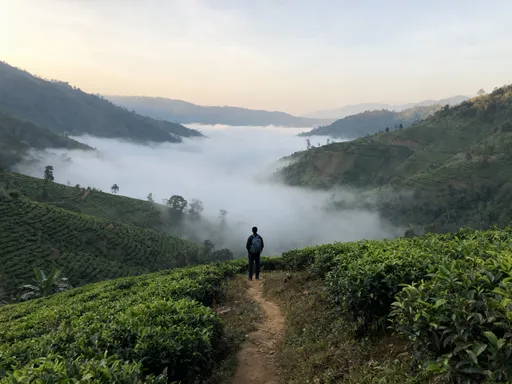
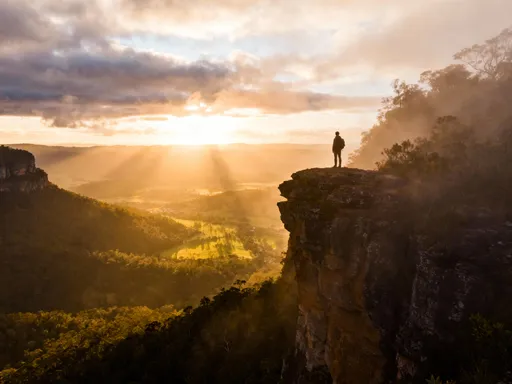
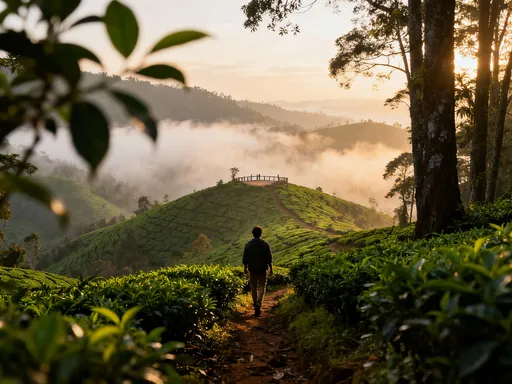
Hiking in Chittagong, Bangladesh, was never on my radar—until I actually did it. Nestled between lush hills and dense forests, this underrated region offers trails that surprise even seasoned trekkers. From misty morning climbs to panoramic views over tea plantations and river valleys, the experience feels raw and authentic. I went expecting just greenery; I left with stories, blisters, and a deep respect for eastern Bangladesh’s wild beauty. The air smelled of damp earth and wild herbs, and the silence—broken only by bird calls and distant village bells—offered a rare kind of peace. Chittagong doesn’t shout for attention, but those who listen closely are rewarded with landscapes and moments few ever witness.
Why Chittagong Stands Out for Hiking
Chittagong, particularly the Chittagong Hill Tracts, is a geographical anomaly in Bangladesh. While most of the country is characterized by flat, river-drenched plains, this southeastern region rises into rolling hills, deep valleys, and forested ridges. The terrain here is shaped by ancient tectonic shifts, resulting in an elevation range that climbs from just above sea level to over 1,000 meters in places. This topographical diversity creates microclimates ideal for dense evergreen and semi-evergreen forests, making the area a haven for biodiversity and a unique destination for hikers seeking elevation and variety.
What sets Chittagong apart is not just its landscape but also its cultural tapestry. Home to numerous indigenous communities such as the Chakma, Marma, and Tripura, the region offers a blend of natural and human heritage. Unlike mass-touristed trails in Nepal or Bhutan, Chittagong remains largely off the beaten path. This means fewer crowds, less commercialization, and a more intimate connection with the environment. Trails often pass through villages where life unfolds at a gentle pace—children playing barefoot, elders weaving bamboo, and farmers tending to terraced fields.
In recent years, adventure travelers have begun to recognize Chittagong’s potential. The rise of eco-tourism initiatives has encouraged local communities to open their doors to respectful visitors. Homestays, community-led tours, and small-scale guiding services are growing, providing sustainable income while preserving cultural integrity. This shift is not without challenges—infrastructure remains limited, and conservation awareness is still developing—but the momentum toward responsible tourism is unmistakable. For the thoughtful hiker, Chittagong offers not just a trail, but a chance to be part of a positive change.
Top Hiking Destinations in the Region
One of the most accessible and rewarding hiking areas in Chittagong is Satchari National Park, located near the town of Kamalganj in Habiganj district. Though technically just outside the core Chittagong Hill Tracts, it serves as a gentle introduction to the region’s forested trails. The park features well-maintained paths winding through mixed deciduous and evergreen forests, with opportunities to spot langurs, wild boars, and over 200 bird species. A moderate loop trail takes about 3 to 4 hours to complete, with a wooden observation tower offering a sweeping view of the canopy.
For more challenging terrain, the Nilgiri Hills near Khagrachhari provide a steeper, more immersive experience. The name “Nilgiri” means “blue hills,” derived from the way the mountains appear under certain light conditions. Trails here range from 5 to 8 kilometers one way, with elevation gains of 300 to 500 meters. Hikers pass through dense bamboo groves, cross small seasonal streams, and emerge at viewpoints overlooking the Kaptai Lake and surrounding ridges. The trail is not formally marked in all sections, making a local guide highly advisable. Early morning hikes are especially magical, as mist curls between the peaks like smoke.
Another hidden gem is Remakri Prang, a lesser-known hill near Rangamati that offers a full-day trek with rewarding solitude. The trail begins in a Marma village and ascends through a mix of pine and tropical forest. Wildlife sightings are rare but possible—monitor lizards, jungle fowl, and even the occasional civet have been reported. The summit provides a panoramic vista of the lake-studded landscape, with the distant silhouette of the Arakan Mountains on clear days. What makes Remakri Prang special is its quiet authenticity; there are no souvenir stalls, no crowds, just the rhythm of nature and the occasional call of a farmer in the fields below.
What to Expect on the Trail
A typical hiking day in Chittagong begins before sunrise. The air is cool and thick with dew, and the forest is wrapped in a soft, silver mist. Paths are often narrow and uneven, carved by foot traffic rather than construction. In the early hours, the only sounds are the rustle of leaves, the distant crowing of a rooster, and the occasional bark of a village dog. As the sun rises, the mist lifts, revealing layers of green—emerald, olive, lime—stretching in every direction.
The terrain varies significantly from trail to trail. Some paths are packed earth, firm underfoot; others are slick with moss or scattered with loose stones. In the rainy season, sections can become muddy and slippery, requiring careful footing. Bamboo groves are common, their tall stalks forming natural arches overhead. Crossing small streams is part of the adventure, with stepping stones or fallen logs serving as makeshift bridges. It’s not uncommon to pause and simply listen—the forest has a way of slowing time.
Human encounters along the trail are often brief but meaningful. A farmer may wave from a distant field, a child might giggle and run off when greeted, or an elder may offer a quiet nod of acknowledgment. Some trails pass near indigenous villages where homes are built on stilts, with thatched roofs and handwoven decorations. These moments of quiet connection remind hikers that they are guests in a living, breathing cultural landscape. There are no trailside cafes or rest stations, so carrying water and snacks is essential. The solitude is part of the appeal—this is hiking in its most elemental form.
Preparing for Your Hike: Gear and Safety
Proper preparation is key to a safe and enjoyable hiking experience in Chittagong. Footwear should be sturdy, with good ankle support and a non-slip sole. Trails can be uneven and wet, especially during or after the monsoon season, so waterproof hiking boots or trail shoes are highly recommended. Avoid sandals or lightweight sneakers, as they offer little protection against sharp rocks, thorns, or leeches.
Clothing should be layered and moisture-wicking. Mornings are cool, but temperatures rise quickly as the sun climbs. Long sleeves and pants help protect against insect bites, sun exposure, and scratches from vegetation. A lightweight rain jacket is essential, even in the dry season, as sudden showers are common in the hills. A wide-brimmed hat and sunglasses provide additional sun protection, particularly on exposed ridges.
Every hiker should carry a daypack with essentials: at least two liters of water, high-energy snacks like nuts or dried fruit, a basic first aid kit, a whistle, a headlamp or flashlight, and a small towel. A simple map or GPS device can be helpful, but the most reliable navigation tool is a local guide. Hiring a guide from the nearest village not only ensures you stay on course but also supports the local economy and fosters cultural exchange. Guides are familiar with trail conditions, water sources, and safe rest spots.
Safety considerations include leeches, which are common in damp forest areas, especially during and after rains. While not dangerous, they can be unsettling. Wearing leech socks or applying salt or lemon juice can deter them. Weather in the hills can change rapidly—clear skies can turn to fog or rain within minutes. Always check the forecast before setting out and be prepared to adjust plans. Medical facilities are limited in remote areas, so carrying a personal first aid kit with antiseptic, bandages, and antihistamines is wise. Above all, inform someone of your hiking route and expected return time.
Connecting with Local Culture Along the Way
Hiking in Chittagong is as much a cultural journey as it is a physical one. The indigenous communities living in and around the hills have preserved traditions, languages, and ways of life that are distinct from mainstream Bangladeshi culture. The Chakma, Marma, and Tripura peoples, among others, have inhabited this region for centuries, cultivating rice on terraced fields, weaving intricate textiles, and practicing Buddhism or animist beliefs alongside local customs.
Visitors often have the opportunity to interact with these communities in meaningful ways. A simple greeting in the local dialect—such as “Jom” (hello) in Marma—can open a smile. Some homestays offer meals made from locally grown ingredients: steamed rice, fermented fish, bitter gourd curry, and fresh jungle herbs. These meals are not just nourishing but also a window into a sustainable way of life deeply connected to the land.
Respect is paramount when visiting these areas. Dress modestly, ask permission before taking photographs, and avoid touching sacred objects or entering restricted areas. Many villages have community rules about noise, waste, and behavior, and following them shows appreciation for local norms. Tourism, when done right, can be a force for good—providing income, encouraging preservation of traditions, and fostering mutual understanding. By being a mindful guest, hikers contribute to a future where culture and nature thrive together.
Best Time to Visit and How to Get There
The ideal time to hike in Chittagong is from November to February, when the weather is cool, dry, and most conducive to outdoor activity. During these months, daytime temperatures range from 18°C to 26°C (64°F to 79°F), and humidity is relatively low. The skies are often clear, offering excellent visibility from hilltops and ridgelines. This period also coincides with several local festivals, such as the Boishakhi Mela and Buddha Purnima, providing additional cultural richness for visitors.
From March to May, temperatures rise significantly, and the pre-monsoon heat can make hiking strenuous. The monsoon season, from June to October, brings heavy rains that can make trails slippery, rivers swollen, and leech activity more intense. While some hikers enjoy the lush, rain-washed landscape, travel during this time requires extra caution and preparation.
Reaching Chittagong’s hiking areas typically begins with a journey to Dhaka, the capital of Bangladesh. From there, travelers can take a bus or private vehicle to Chittagong city, a 4- to 5-hour drive. From Chittagong, the Hill Tracts are accessible via shared jeeps or minibuses to towns like Rangamati, Khagrachhari, and Bandarban. These towns serve as base camps for various trails. Rangamati, situated on the shores of Kaptai Lake, is particularly popular, offering boat rides, homestays, and access to multiple hiking routes. Local transportation can be slow and unpredictable, so allowing extra time for travel is advisable.
For those seeking a more comfortable journey, private car hires are available and offer greater flexibility, especially when traveling with gear or in small groups. Some eco-tourism operators provide guided packages that include transport, accommodation, and meals, simplifying logistics for international visitors. Regardless of the route, the journey itself becomes part of the adventure—winding roads, roadside tea stalls, and glimpses of rural life passing by the window.
Sustainable Hiking: Leaving No Trace
As Chittagong gains attention as a hiking destination, the need for sustainable practices becomes more urgent. The region’s natural beauty is fragile, and increased foot traffic without proper care could lead to erosion, littering, and disruption of wildlife. The principle of “Leave No Trace” is not just a guideline—it’s a responsibility. Hikers should carry out all trash, including biodegradable items like fruit peels, which can attract animals and alter natural behaviors.
Minimizing plastic use is critical. Bring a reusable water bottle and consider a portable filter or purification tablets to refill from safe sources. Avoid single-use packaging and dispose of waste properly in towns where facilities exist. Staying on marked trails helps prevent soil erosion and protects plant life. Making loud noises or playing music can disturb animals and local residents, so keeping voices low and enjoying the natural sounds of the forest enhances the experience for everyone.
Supporting eco-conscious businesses makes a tangible difference. Choose homestays that use solar power, recycle, and source food locally. Hire guides from community cooperatives rather than unregulated operators. These choices ensure that tourism benefits the people who call this land home. Conservation efforts, such as reforestation projects and wildlife monitoring, often rely on visitor support, so even small contributions can have a lasting impact.
Sustainable hiking is not about perfection—it’s about intention. It’s about walking lightly, listening deeply, and leaving spaces as you found them, if not better. When hikers adopt this mindset, they help preserve Chittagong’s wild heart for generations to come.
Conclusion
Hiking in Chittagong isn’t just about conquering trails—it’s about discovering a side of Bangladesh most never see. With every step through its misty hills and quiet forests, you’re not only challenging yourself physically but also connecting with nature and culture in a profound way. This is adventure with soul, waiting quietly in the east. The trails don’t promise luxury or convenience, but they offer something rarer: authenticity, serenity, and the quiet joy of being present in a place untouched by time. For women in their thirties to fifties who seek meaningful travel—experiences that enrich the spirit and expand the horizon—Chittagong delivers in ways few destinations can. It’s not just a hike. It’s a journey into the heart of a hidden world, where every leaf, every stream, and every smile along the path tells a story worth remembering.